
Conversation
The world behind an introduction
A future space for conversations shared with the people who took part.
Editorial preview · not yet published
 TOMO COSMOS
PEOPLE · PLACES · POSSIBILITIES
TOMO COSMOS
八方良しを、世界へ。
I meet people, listen, connect worlds, turn real experience into learning and action, and share the process.
Tomo Haraguchi · Japan ↔ Malaysia
A LITTLE ABOUT TOMO
Tomo Haraguchi
JAPAN ↔ MALAYSIAI’m Tomo, a Japanese entrepreneur living and working in Malaysia.
My life doesn’t fit neatly into one category. I move through business, F&B, Japan–Malaysia relationships, community, football, family, education, events, media and AI-supported systems.
What connects these worlds is people.
Meet TomoTHE WORLDS I MOVE THROUGH
Not separate compartments. Places where people, ideas and everyday life meet.
Explore TOMO COSMOSTHE TOMO COSMOS LOOP
A meeting should not disappear after the meeting ends. When useful and permitted, I remember, reflect, follow up, connect people or ideas, and take action. Sometimes, we share approved parts of the process.
Different cosmos. A brighter tomorrow.
NOTES TO CARRY WITH YOU
Everyone has a cosmos.
The first encounter is only the first orbit.
The human encounter is more important than the software.
FROM THE COSMOS
This space will grow through real conversations, projects and field learning. The previews below show its direction; they are not published stories.
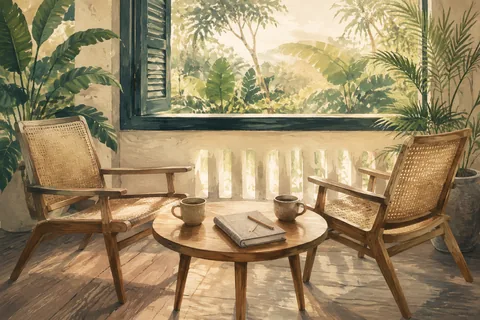
Conversation
A future space for conversations shared with the people who took part.
Editorial preview · not yet published
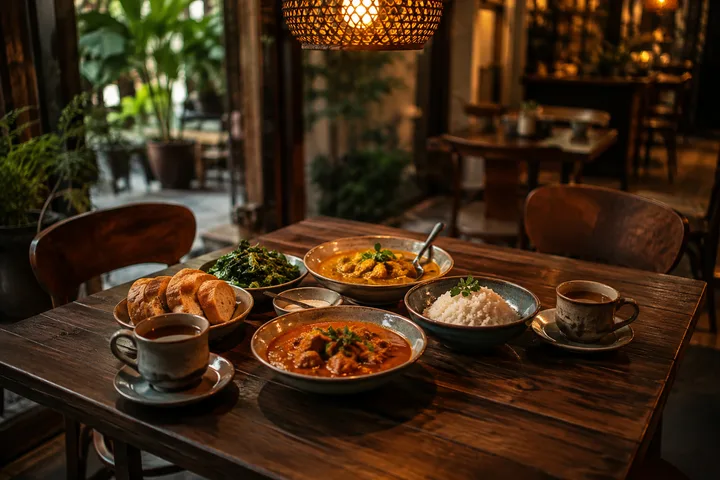
Field Note
A future space for observations and learning from life between two places.
Editorial preview · not yet published
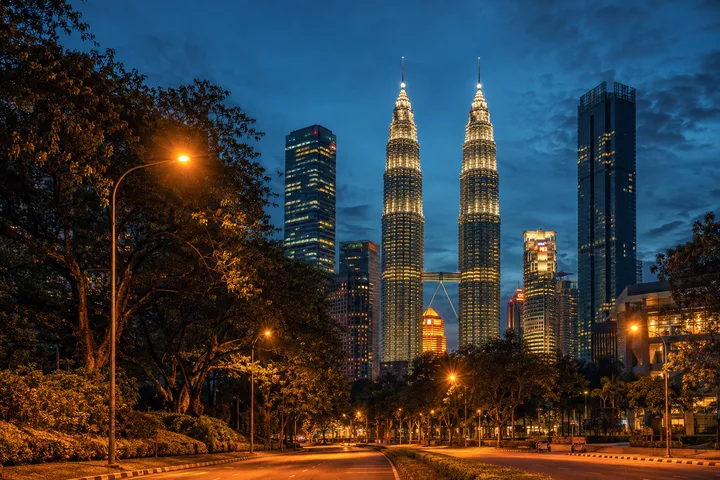
Project
A future space for the questions and decisions behind things we build.
Editorial preview · not yet published
THE FIRST ENCOUNTER IS ONLY THE FIRST ORBIT
You don’t need a pitch or a perfect plan. A question, a story, or a little curiosity is enough to begin.
Tell me a little about your cosmos.A COMPASS FOR EVERY COSMOS
For people, families, collaborators and communities. I want to consider what our encounters and actions mean from more than one point of view.
The people involved change with each situation. Happo Yoshi is a direction for asking better questions.
 COMPASS 8八方良しPurpose at the centre. Perspective in every direction.TOMO COSMOS
Who benefits, and what becomes better?
Who carries the cost, the burden or the risk?
Whose perspective have we not heard yet?
Will this still be good beyond today?